
Indoor and outdoor units perform the same function but differ in how they’re installed and protected from the elements. Factors like climate, available space, fuel type, and maintenance access affect which system is more practical for your home.
With these differences in mind, it helps to compare both options side by side so you know what to expect before installing or upgrading your system. In this blog, our Carrollton plumbing and HVAC pros at Lex Air break down the key advantages, limitations, and ideal uses for each type.
We also provide reliable tankless water heater services in Carrollton, TX and nearby communities, helping you stay informed about your plumbing options so you can select the right setup for your home or business.
What is a Tankless Water Heater?
Tankless water heaters produce hot water on demand by heating cold water directly as it flows through the unit, eliminating the need for a storage tank. Unlike traditional systems that store heated water and constantly consume energy to maintain temperature, tankless systems activate only when you turn on a hot water tap, heating water instantly through electric coils or gas burners.
Tankless technology offers significant energy savings by eliminating standby heat loss. Furthermore, tankless heaters have a space-saving design that frees up valuable square footage in your home. Tankless heaters also generally have a longer lifespan than traditional tank water heaters. This on-demand heating approach means you never run out of hot water while running multiple appliances, taking showers, or doing chores. For this reason, tankless water heaters have become an increasingly popular choice for modern homes.
No matter the type of water heater you have, Lex Air’s Carrollton water heater technicians can help you. We service both traditional water heaters and tankless water heaters, as well as electric and gas heaters. Whether you need water heater repair, maintenance, or installation, we’ve got you covered.
What’s the Difference Between Indoor and Outdoor Tankless Water Heaters?
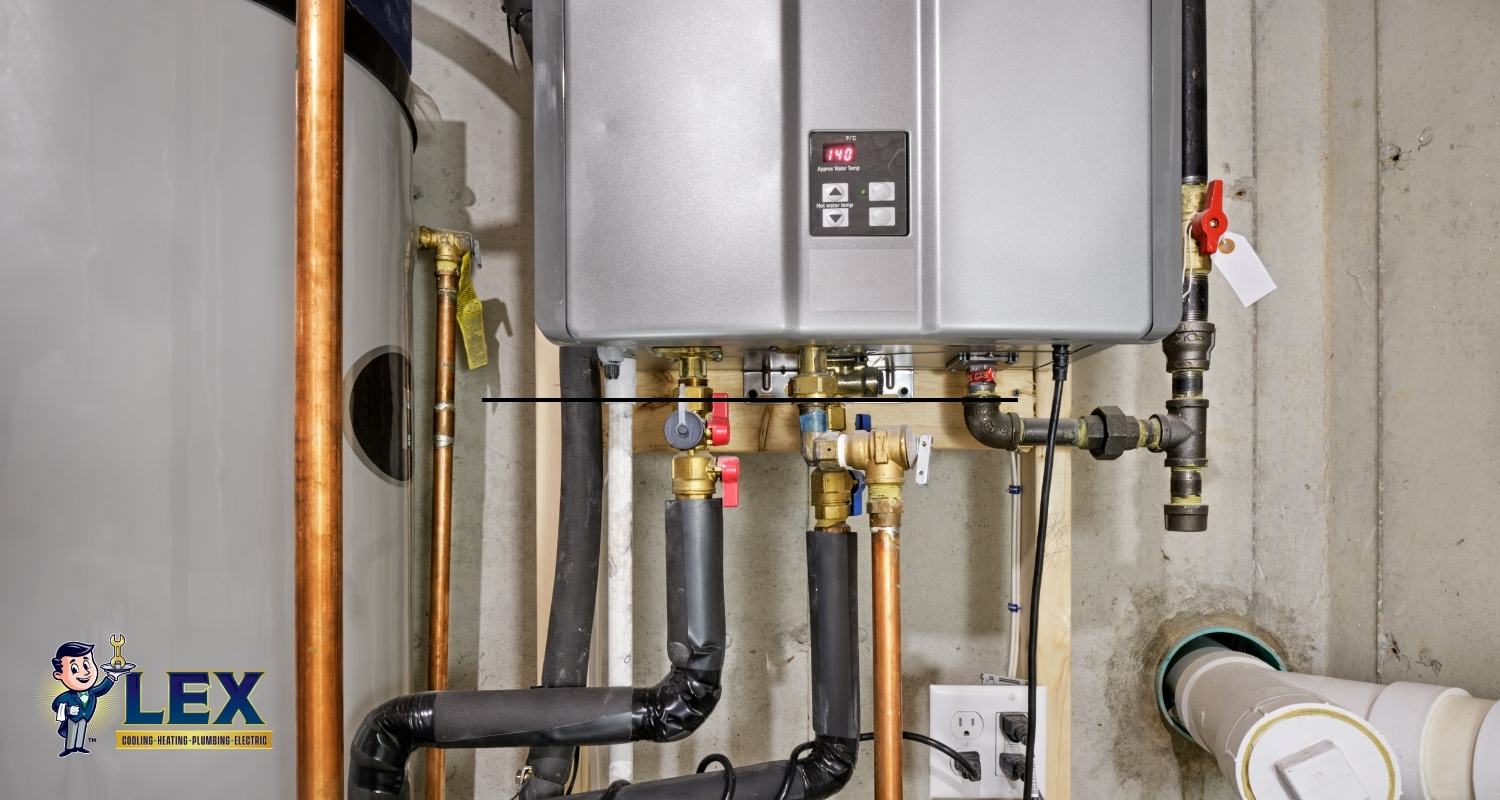
In addition to installation location, multiple key considerations distinguish indoor and outdoor water heaters. For example, a venting setup can be more complicated for indoor models. Outdoor heaters can easily vent outside, while gas-powered indoor models need a proper exhaust system to safely remove gases. This requires professional installation of approved venting materials that route exhaust outside your home.
Since outdoor models must withstand the weather, weatherproofing is more important for these water heaters. Weatherproofing requirements for outdoor models include protective housing designed to withstand rain, wind, temperature extremes, and UV exposure. Outdoor models also come with built-in features that prevent water intrusion and weather-related damage.
The costs of tankless heaters also vary due to the complexity of installation. Outdoor units typically install more quickly and affordably without complex venting work. Indoor water heaters require consideration of proper ventilation paths and clearance requirements. Indoor heaters also impact your home design more, since they require integration with your home’s existing layout.
Indoor Tankless Water Heater
Indoor tankless water heaters offer on-demand hot water production from inside your home, where they remain protected from the weather. These heaters are often installed inside utility closets, garages, or laundry rooms for easy maintenance. Indoor tankless units are ideal for cold climates. Where outdoor heaters may freeze during winter months, indoor heaters provide consistent performance regardless of external temperatures.
Installation requires proper ventilation and access to gas or electricity. Gas models need exhaust venting to the exterior, while electric models require adequate electrical capacity to power the heating elements. If you need a replacement for existing indoor heaters or have a new construction with adequate indoor space, you may want to consider an indoor tankless water heater. Homeowners who prefer centralized utility equipment in protected areas may also prefer indoor tankless heaters.
Outdoor Tankless Water Heater
Outdoor tankless water heaters are installed on an exterior wall or mounted outside the home, eliminating the need for interior space and simplifying installation. These units feature built-in freeze protection and weather-resistant housing specifically engineered to withstand outdoor conditions. A couple of examples of weather-resistant features include insulated cabinets and heating elements that prevent damage during cold snaps.
With no need for indoor-to-outdoor ventilation, outdoor models avoid the complexity and cost of routing exhaust through your home’s structure. Outdoor tankless heaters are best suited for warmer weather conditions like Texas, where cold weather occurs infrequently and outdoor installation remains practical year-round. These systems offer convenient access and keep utility equipment outside in order to save space inside.
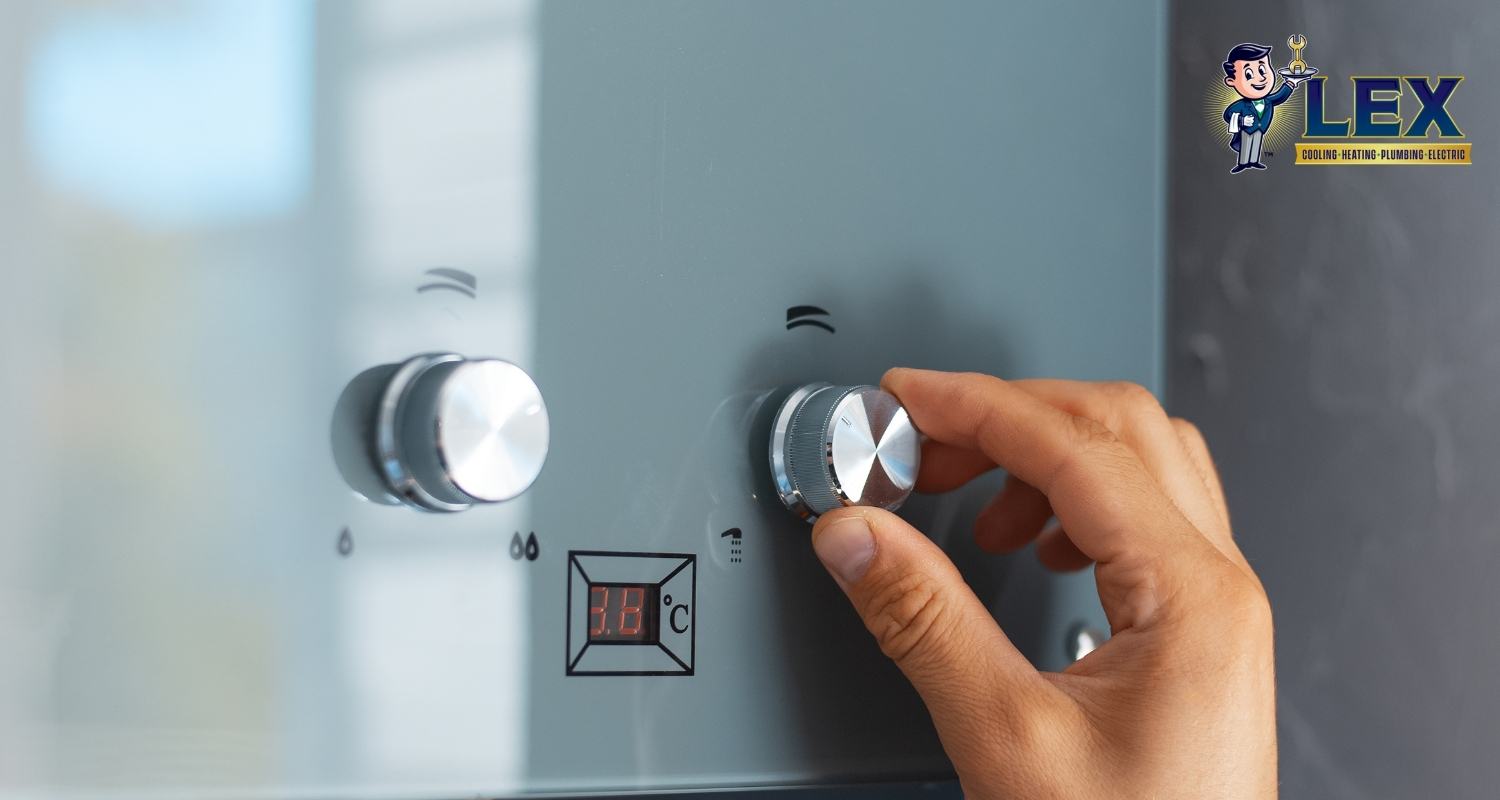
Pros and Cons of Indoor and Outdoor Tankless Water Heaters
Although both indoor and outdoor tankless water heaters can provide endless hot water, each comes with benefits and drawbacks.
Indoor Units
Pros: Indoor systems are protected from weather conditions that could affect performance or damage components. These units are easier to maintain due to comfortable access regardless of outdoor conditions. Additionally, indoor heaters provide reliable performance in all seasons without concern for freezing or extreme temperatures.
Cons: Ventilation systems ensure safe operation of gas tankless water heaters. Compared to outdoor heaters, this can make installation more complex and costly. These systems also take up interior space that could be used for storage or other purposes.
Outdoor Units
Pros: Outdoor tankless heaters save limited space indoors by storing water heating equipment outside your home. Installation is generally quicker and more affordable since ventilation piping is unnecessary, and mounting directly to an exterior wall simplifies the process.
Cons: Outdoor units are exposed to weather conditions, including rain, wind, and temperature extremes. This may affect efficiency. Without proper weatherproofing protection, these units are vulnerable to freeze damage during unexpected cold weather events.
Comparing Indoor vs Outdoor Tankless Water Heater Efficiency
Comparing the efficiency of an indoor vs outdoor tankless water heater starts with understanding how each unit interacts with its environment. An indoor tankless water heater maintains stable performance year-round because it stays insulated from temperature swings. This can be helpful in cold climates, where low outdoor temperatures force outdoor units to work harder and use more energy to deliver continuous hot water. In warmer climates like Texas, outdoor units operate more efficiently because the average groundwater temperature is higher, allowing the system to heat water with less effort.
Efficiency also depends on how much energy the unit needs to reach your preferred water temperature. Tankless systems are energy efficient by design, but placement, fuel type, and installation conditions all affect long-term energy costs. When you compare indoor and outdoor setups to traditional water heating systems, tankless models provide better performance, lower standby heat loss, and more consistent output.
If you’re unsure how to choose a hot water heater for your home, consider the climate, available installation space, and your household’s demand for continuous hot water. Understanding these factors will help you select the system that offers the best balance of efficiency and cost savings.
Fuel Types for Indoor and Outdoor Tankless Water Heaters
Tankless water heaters can run on natural gas or electricity. Although gas tankless water heaters are usually fueled by natural gas lines, liquid propane is an alternative option for rural or off-grid homes where natural gas lines aren’t available.
Electric models usually cost less upfront, have fewer maintenance needs, and have higher efficiency ratings. However, natural gas can be less expensive to operate, depending on the cost of gas. Both fuel types are utilized in indoor and outdoor units. Electricity is somewhat more common outdoors due to simplified installation. Natural gas units are common for both indoor and outdoor applications, depending on existing utility access and homeowner preferences.
Lex Air’s Carrollton, TX electricians and gas line technicians have considerable experience in working with both electrical and gas systems. We’ll ensure safe connections and proper function when installing your indoor or outdoor tankless water heater.
Choosing the Right Tankless Water Heater for Your Home
Factors to consider include climate conditions, home size, and water usage needs. Maximum flow rate and temperature rise play crucial roles in correctly sizing a water heater for your home. To calculate your ideal maximum flow rate, consider which appliances you might use simultaneously. For example, using a dishwasher with a flow rate of 2-3 GPM and a washing machine with a flow rate of 3-5 GPM at the same time would require a max flow rate of 5-8 GPM. Home hot water heaters are typically set around 120°F to 125°F. If the incoming water temperature is 50°F, the difference would be 70°F to 75°F. This means your desired temperature rise is 70°F to 75°F.
Energy-efficient ratings and long-term savings should also inform your selection. Although higher-efficiency models can cost more upfront, they deliver greater savings through reduced energy consumption. The U.S. Department of Energy measures tankless water heater efficiency in uniform energy factors (UEF). Higher UEF means higher energy efficiency and higher long-term savings. Check the product specification or manual to confirm the unit’s UEF.

Tankless Water Heater Installation Options
Prior to installing your new tankless water heater, our team will perform an initial assessment of your home’s existing plumbing and utility connections. We’ll carefully prepare the installation site and use proper tools and techniques to mount and position the unit. Backed by experience and training, our team safely and accurately connects water lines and fuel sources. Before we leave, our technicians will thoroughly test your system to ensure proper operation.
The installation location can impact the installation costs and accessibility of your unit. Outdoor installations generally cost less due to simpler requirements. Indoor installations demand more labor for venting and may require modifications to accommodate clearance requirements. Texas regulates heater installations to ensure safety. Local codes and permits can influence where we need to install your water heater. Lex Air’s licensed professionals follow regulations carefully, obtaining permits before we begin work.
Indoor Installations
Installing an indoor unit will involve additional installation of the required ventilation systems. Under Texas safety codes, indoor water heaters need a safety clearance of at least 30 inches at the service side of the heater. This allows space to perform necessary repairs and maintenance. To save space, consider utilizing existing utility closets or mounting units on garage walls near water lines. Other safety requirements include proper clearances from combustible materials and safe vent termination. Our water heater installation experts ensure that every job meets local safety requirements.
Average indoor installation costs typically run higher than outdoor installations. Venting requirements, potential electrical upgrades for electric models, and labor involved in integrating the unit with your home’s gas or electrical systems all contribute to the cost. For a quote on indoor tankless water heater installation, call Lex Air today.
Outdoor Installations
Outdoor wall-mounting and weatherproof connections require secure fastening to exterior walls capable of supporting the unit’s weight. Our team can help find the optimal place for mounting and properly seal around water lines, gas lines, and electrical connections. Ensuring adequate drainage and freeze protection is important for outdoor installations. We thoroughly check condensate drains and install freeze protection features. We can also further protect your unit by positioning it to minimize exposure to extreme weather.
Outdoor units eliminate the need for venting work and require shorter connection runs when mounted near existing utility entry points. Straightforward exterior mounting also reduces labor time. This means that outdoor installations generally cost less. For pricing estimates, contact the Lex Air team.
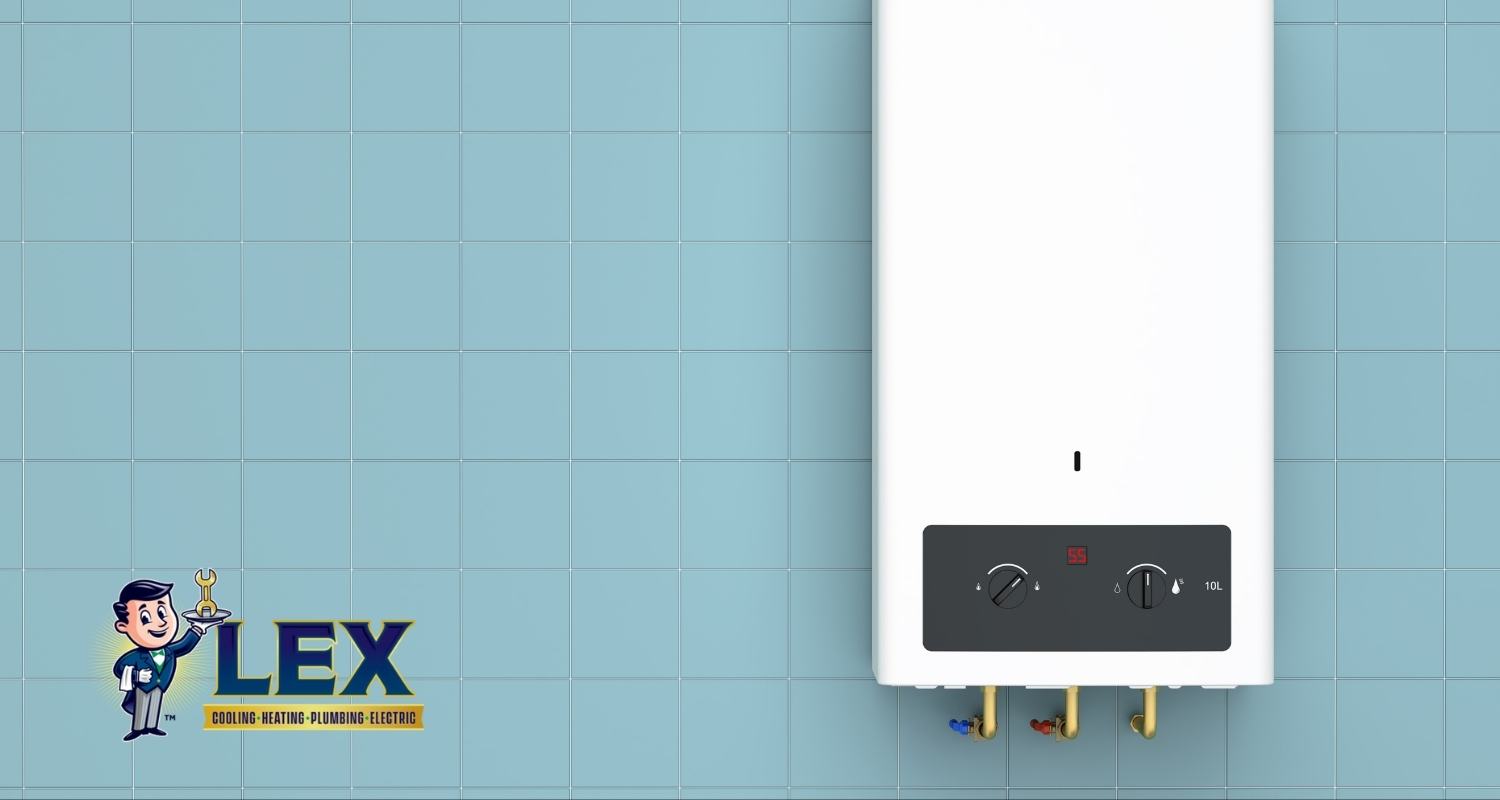
Maintenance Tips for Tankless Water Heaters
One of the disadvantages of hard water is that sediment and mineral deposits can build up in your plumbing system. Annual flushing helps prevent mineral scale buildup and keeps the system running efficiently. Indoor units should have intake and exhaust vents inspected regularly to ensure proper airflow, as blockages or damage to venting systems can create safety hazards and reduce efficiency. Outdoor models may need seasonal checks for freeze protection and weather-related wear. You should inspect protective housing for damage, verify that freeze protection systems function properly, and clean debris from around the unit. For reliable service and routine maintenance, contact Lex Air to help extend the life of your tankless water heater.
Tankless Water Heaters FAQ
Can I Install an Outdoor Tankless Water Heater Indoors?
No. Outdoor tankless water heaters are not designed for indoor installation. Installing an outdoor unit indoors could create dangerous leaks, fires, or carbon monoxide hazards. Always choose a unit specifically designed for your intended installation location.
What Size Tankless Water Heater Do I Need For My Home?
Appropriate water tank sizing depends on the size of your home, how many hot water devices you’ll run at once, and your desired water temperatures. Lex Air’s team can help you determine the best maximum temperature rise and maximum flow rate for your needs.
How Long Does a Tankless Water Heater Last?
Tankless water heaters can last up to 15 to 20 years. The longevity of your system depends on water quality, usage patterns, and consistent professional maintenance to prevent mineral buildup and component wear.
Do Tankless Water Heaters Work During Power Outages?
Electric tankless water heaters and gas models with electronic ignition systems require electricity to operate, so they will not function during power outages. Gas tankless water heaters with standing pilot lights may continue working without electricity. However, many modern models use electronic controls that need power. Homeowners concerned about hot water availability during outages might consider backup power solutions or discuss options with their installer.
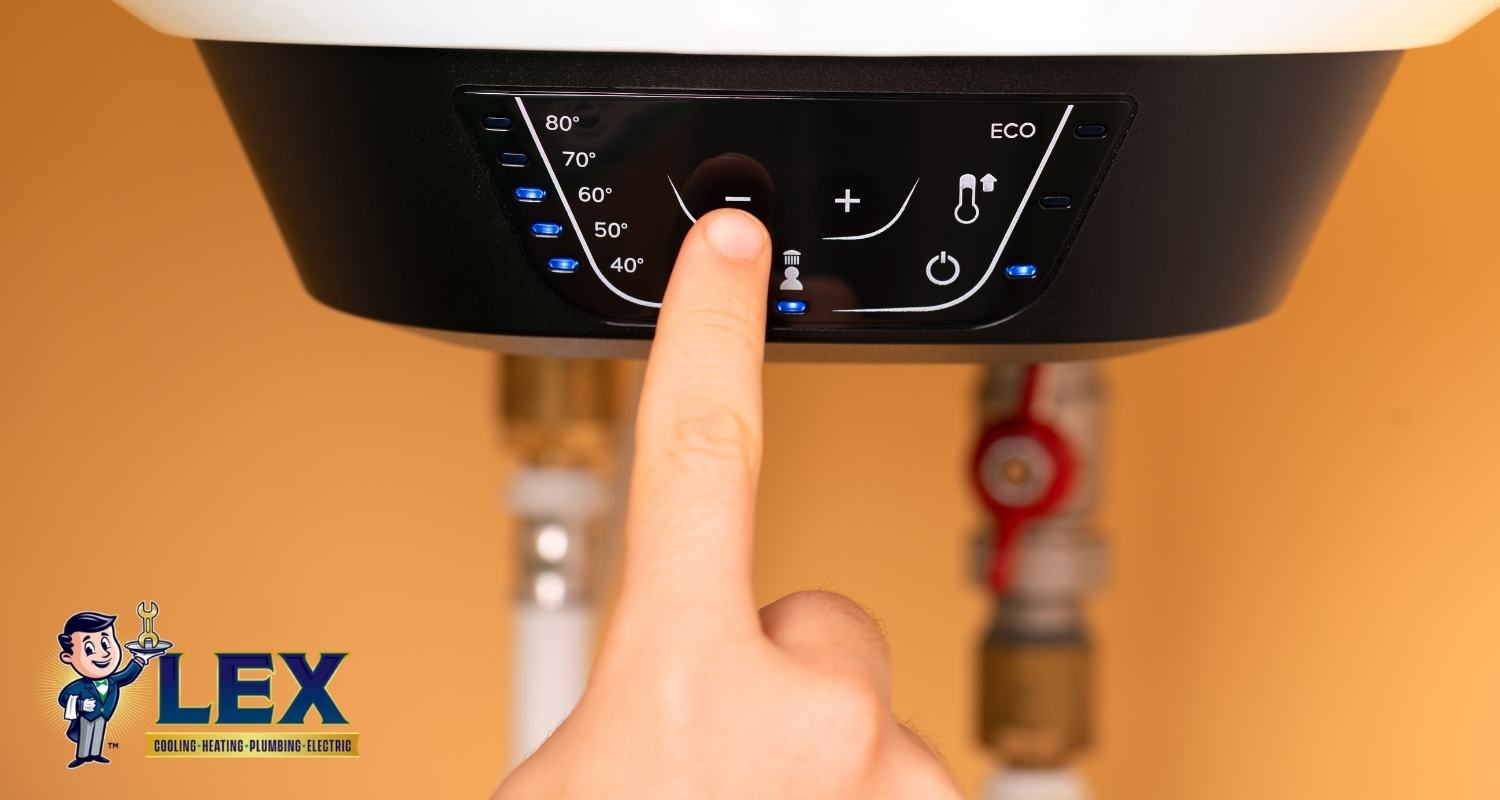
Why Homeowners Are Switching from Traditional Water Heaters
Several factors play a part in the increasing popularity of tankless water heaters. Traditional water heaters can only deliver as much hot water as they store in their tank. Tankless heaters, on the other hand, can provide as much hot water as you need. Since tankless water heaters do not need a tank to contain pre-heated water, they save more space.
While traditional heaters continuously drain energy to maintain heated water, tankless options provide on-the-spot heated water. This results in lower energy bills over time and reduces carbon emissions. The longer lifespan of tankless systems is also environmentally beneficial, since it keeps old tanks out of landfills.
Why Choose Lex for Cooling, Heating, Plumbing & Electric?
Lex Air’s trained team of professionals are experienced in local indoor and outdoor tankless water heater services. We understand the specific challenges and plumbing needs in Carrollton, Frisco, Plano, and the surrounding areas. Our technicians use their experience to your benefit, offering honest guidance and helping you choose the best model for your home. We also ensure every job is compliant with local safety regulations.
Our licensed and insured technicians guarantee satisfaction. We offer quick and efficient installation, repair, and maintenance. Grant yourself the peace of mind of knowing that you’re working with professionals who stand behind their work.
Ready for a Tankless Water Upgrade? Call Lex Today
Schedule a consultation to find the right tankless water heater for your home’s specific hot water needs, available space, and budget. Serving homeowners throughout Dallas, Plano, and Richardson, Lex Air helps you make informed decisions about your home’s water heating system.
Don’t wait to have your tankless water heater installed. Call us at 972-217-8955 or contact us online to get started with your tankless water heater upgrade today!