


If you have been asking yourself, “What size generator do I need for my house?” choosing the right size generator protects your home and family during a power outage, but selecting one that is too small creates serious risks, including overloaded circuits, generator shutdowns, and potential damage to appliances and motors. Proper electrical load calculations take the guesswork out of the process and ensure your generator works reliably when you need it most. Lex Air Conditioning and Heating helps Dallas-Ft. Worth homeowners determine the right generator size for their specific power needs, from essential circuits to whole-home backup power.
Contact Carrollton’s trusted HVAC, plumbing & electrical experts today at (972) 466-1917, or contact us online to schedule a professional generator sizing consultation and keep your home running through any storm.
How Big of a Generator Do I Need for My House?
The size generator you need depends on the difference between powering essential circuits only and backing up your full electrical panel, and most Texas homeowners fall somewhere in between, depending on their lifestyle and budget. A small home focused on essential circuits such as the refrigerator, lights, and a window AC unit typically requires between 5,000 and 7,500 watts of continuous power, while a mid-size home running central HVAC, a water heater, and standard appliances needs significantly more capacity.
Larger homes with electric ranges, multiple HVAC systems, and additional loads require whole-house generator solutions in the 20 kW range or higher to avoid overloading the system during an outage. Understanding your running wattage and starting wattage requirements for each appliance is the critical first step in finding the right size for your specific home, and reviewing what size HVAC unit you need helps you account for one of the largest electrical loads in your home.

Whole-House Generator vs Partial Backup Generator
A whole-house generator connects directly to your electrical panel and provides continuous power to every circuit in your home automatically when an outage occurs, making it the most convenient and comprehensive backup power solution available. A partial backup generator covers only the essential circuits you designate, such as the refrigerator, lights, sump pump, and one HVAC zone, which reduces cost while still protecting the appliances and systems that matter most.
Homeowners with medical equipment, work-from-home requirements, or larger homes with high electrical loads often opt for whole-home coverage to minimize disruption during extended outages. Lex Air helps Carrollton homeowners evaluate both options and determine which approach best fits their power needs, lifestyle, and budget.
Essential Circuits vs Full Electrical Panel
Powering essential circuits means selecting specific high-priority appliances and systems to connect to your backup power source, keeping costs lower while still maintaining basic comfort and safety during a power outage. Powering a full electrical panel means your generator works to supply electricity to every outlet, light, and appliance in your home exactly as it would under normal utility power, requiring a larger generator with significantly higher wattage capacity.
Most homeowners who choose essential circuit coverage prioritize the refrigerator, HVAC system, water heater, lights, and any medical equipment that must continue operating during an outage. A licensed electrician installs a transfer switch that safely connects your generator to either your essential circuits or your full panel, and electrical panel services in Carrollton, TX ensure your panel is ready to handle the demands of a backup power system.
What Size Backup Generator Do I Need for My House?
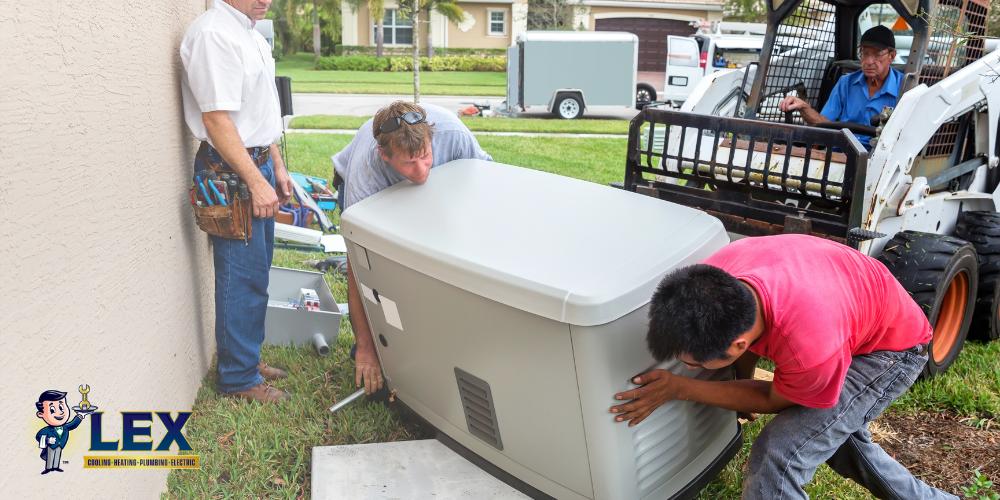
Standby generators for residential backup power typically range from 10 kW for smaller homes with essential circuit coverage up to 22 kW or more for larger homes requiring full electrical panel support. Air conditioner and heat pump systems carry some of the highest electrical loads in a Texas home, and accounting for both the running wattage and starting wattage of your HVAC system is essential to avoid overloading your generator the moment the compressor kicks on.
Electric water heaters and electric ranges add substantial load to your calculations, and homes with both of these appliances alongside central AC often require a standby generator in the 18 kW to 22 kW range to run safely. A transfer switch is required for all standby generator installations, and standby generator installation in Dallas-Fort Worth ensures your transfer switch is properly sized and installed to meet local code requirements in Carrollton, TX.
What Size Portable Generator Do I Need for My House?
Portable generators typically range from 3,500 watts on the lower end up to 12,000 watts for larger units designed to handle more appliances during a power outage. A mid-range portable generator in the 7,500-watt range can safely run a refrigerator, several lights, a microwave, a TV, and a window AC unit simultaneously, making it a practical solution for homeowners focused on essential comfort during short-term outages.
Portable generators rely on extension cords to connect to individual appliances, which limits their convenience and introduces safety risks if cords are undersized, damaged, or routed through windows or doors improperly. Portable generators also require manual startup and fuel management, making them less reliable than standby generators for extended outages or homeowners who travel frequently.
What Size Standby Generator Do I Need for My House?
Standby generators offer the most reliable whole-home backup power solution because they run on natural gas or propane, start automatically during a power outage, and connect directly to your electrical panel through a transfer switch. A 10kW to 13kW standby generator handles essential circuits for most small- to mid-size Carrollton homes, while a 16kW to 20kW unit comfortably supports a full-size HVAC system, water heater, refrigerator, and general lighting for a mid-size home.
Larger homes with high electrical loads, including electric ranges, multiple HVAC systems, or EV chargers, should plan for a 22 kW or larger standby generator to ensure continuous power without risking an overload. Lex Air works with leading brands, including Cummins, to help homeowners select and install the right standby generator for their specific electrical load and home size.
What Size Solar Generator Do I Need for My House?
Solar generators differ from traditional fuel generators in that they store energy in batteries charged by solar panels rather than burning natural gas, propane, or gasoline, making them a quieter and cleaner backup power option with no fuel storage requirements. Battery storage capacity is the most critical factor when sizing a solar generator, as the amount of electricity stored determines how long your essential appliances can continue running before the batteries require recharging from sunlight or the grid.
Most residential solar generator systems designed to power essential circuits require significant battery capacity to sustain an HVAC system overnight or through multiple cloudy days, and many homeowners combine solar battery storage with a traditional standby generator for comprehensive coverage. Lex Air helps homeowners evaluate solar generator options alongside traditional backup power solutions to determine the most effective and cost-efficient approach for their home and energy goals.
How Do You Size a Generator for a House?
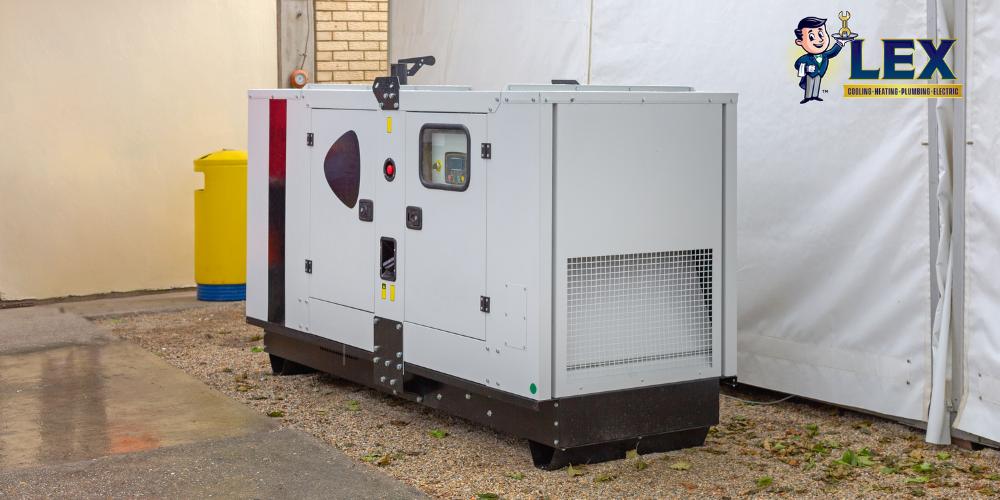
Sizing a generator correctly requires a step-by-step process that accounts for every electrical load in your home to ensure your backup power system works reliably during an outage without overloading the generator. Start by identifying all essential appliances and systems you need to power during an outage, including the refrigerator, HVAC system, water heater, lights, sump pump, and any medical equipment or work-from-home technology that must remain operational.
Next, calculate the running wattage of each appliance, which represents the continuous power required to keep the appliance operating under normal conditions, and add those figures together to establish your baseline electrical load. Add starting wattage for any appliances with motors, including your HVAC system, refrigerator, sump pump, and well pump, as motors draw significantly more power at startup than they do during continuous operation, and failing to account for this causes generator overloads.
Account for your HVAC system carefully, as central air conditioning and heat pump systems represent the largest single electrical load in most Texas homes, and homeowners who are unsure about their system’s efficiency rating can review signs your air conditioner isn’t properly sized to better understand how unit sizing affects overall power demands.
Consider any planned home additions, new appliances, EV chargers, or HVAC upgrades that may increase your electrical load in the future, as purchasing the right-sized generator today that accommodates tomorrow’s needs saves you the cost of replacement down the road. A professional load calculation performed by a licensed electrician eliminates guesswork, ensures code compliance, and gives you confidence that your generator works as expected when the power goes out.
Common Appliance Wattage Guide
Understanding the general wattage ranges for common household appliances helps you estimate your backup power needs and gives you the resources you need before scheduling a professional load calculation with a licensed electrician. A central AC system carries the highest electrical load of any appliance in most Texas homes, followed by electric water heaters and furnace blower motors, all of which require careful attention to both running wattage and starting wattage in your generator sizing calculation.
For instance, a fridge and sump pump may seem like small loads individually, but when you factor in starting wattage demands from their motors alongside a central AC compressor, the numbers add up quickly, and using a wattage tool helps illustrate just how much space in your generator’s capacity these appliances consume. In the real world, microwaves, lighting circuits, and a garage door opener draw comparatively low wattage and are among the easiest loads to plan for, though as an example of how every detail matters, the total number of fixtures and appliances across your home still contributes to your overall load and should be accounted for before you purchase a generator.
Whole-Home Generator vs. Essential Backup: What’s Right for You?
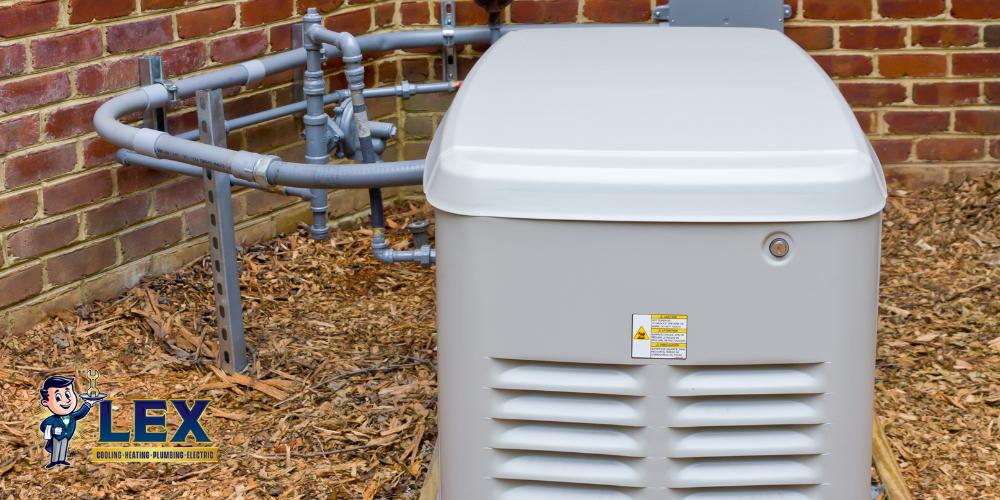
Choosing between a whole-home generator and an essential backup system comes down to your lifestyle, budget, and the specific demands of your household during a power outage. Homeowners who rely on medical equipment, run a home office, or have family members who depend on consistent climate control need the uninterrupted, continuous power that a whole-home standby generator provides.
Essential backup systems offer a more affordable entry point for homeowners who are comfortable managing without certain non-critical appliances and want to protect only their highest-priority circuits during a storm. Lex Air works with each homeowner to evaluate long-term reliability, cost, and power needs, and homeowners considering a broader smart home approach can also explore home automation & HVAC zoning in Dallas-Fort Worth to maximize comfort and energy efficiency alongside their backup power system.
Generator Installation Considerations in Carrollton, TX
Installing a generator in Carrollton, TX requires permits from the local municipality, and Lex Air manages the permitting process to ensure your installation meets all applicable code requirements from the start. Natural gas generators offer the convenience of a continuous fuel supply connected directly to your home’s gas line, while propane generators provide a flexible alternative for homes without natural gas access and can store fuel on-site in a tank.
Proper generator placement requires adequate ventilation, clearance from windows and doors, and positioning that meets local setback requirements to ensure safe operation and code compliance. Professional installation by a licensed electrician protects your manufacturer’s warranty, ensures your transfer switch and electrical connections meet code, and eliminates the safety risks associated with improper generator hookups. Scheduling an electrical safety inspection in Dallas-Fort Worth before installation confirms your existing panel and wiring are ready to support the new system.
Signs You May Need a Larger Generator
Frequent breaker trips during generator use are one of the clearest signs that your current or planned generator is undersized for your home’s electrical load and needs to be replaced or upgraded to a larger unit. Planned home additions that increase your square footage, add new HVAC zones, or introduce new high-draw appliances require you to revisit your generator sizing before construction is complete, and if your current HVAC system is aging, reviewing if you should repair or replace your AC helps you plan for the wattage demands of a newer, larger unit.
Adding EV charger installation in Dallas-Fort Worth introduces a substantial new electrical load that must be factored into your generator capacity, and many homeowners find that their existing generator size is no longer adequate after installing a Level 2 charger. Installing a new or larger HVAC system also increases your total running wattage and starting wattage requirements, making it essential to reassess your generator size any time you upgrade your heating and cooling equipment.
Why Work With a Licensed Carrollton Electrician for Proper Generator Sizing & Installation?
A licensed Carrollton electrician performs accurate load calculations that account for every appliance, motor, and circuit in your home, ensuring your generator is sized to handle your actual power needs rather than an estimate. Safe panel connections and proper transfer switch installation protect your home from dangerous back-feed situations that can injure utility workers and damage your electrical system during a power outage, and electrical panel replacement in Dallas-Fort Worth ensures your panel has the capacity to support a new standby generator without creating safety hazards.
We understand the code requirements specific to Carrollton and the broader DFW area, ensuring your generator installation passes inspection and operates legally, and whole-home surge protection in Dallas-Fort Worth adds an additional layer of defense that safeguards your generator and connected appliances from voltage spikes during storms. Working with a licensed professional also protects your manufacturer’s warranty, as many generator brands, including Cummins, require certified installation to honor warranty claims and maintain coverage.

Trust Lex Air For Your Carrollton Electric & Backup Power Needs
Lex Air Conditioning and Heating provides personalized generator sizing consultations that take into account your home’s specific electrical load, HVAC system, and lifestyle needs to help you select the right generator with peace of mind. The Lex Air team handles professional installation from start to finish, including permitting, transfer switch installation, panel connections, and final inspection, so you never have to worry about code compliance or electrical hazards. For businesses and commercial properties requiring backup power solutions, commercial electrician Carrollton, TX, provides the same level of expertise and reliable service that Lex Air delivers to residential customers throughout the DFW area.
Call Lex Air today at (972) 466-1917, or visit our online contact page to schedule your generator sizing consultation, and homeowners planning additional electrical upgrades can also explore Carrollton home rewiring services to ensure their entire electrical system is ready to support reliable backup power for years to come.