

Comprehensive 50+ point electrical inspection that identifies hidden hazards, code violations, and safety concerns before they become dangerous — or expensive.

Electrical problems are the leading cause of house fires in Texas, responsible for over 6,000 fires annually. Most homeowners have no idea their electrical system is dangerous until something goes wrong — a tripped breaker, a burning smell, or worse.
Our comprehensive electrical safety inspection examines every critical component of your home's electrical system: the panel, breakers, wiring, grounding, GFCI protection, and major appliance connections. We identify hazardous conditions, code violations, and areas that need improvement — all documented in a detailed report you can keep.
Whether you're buying a home, experiencing electrical issues, or haven't had your system checked in years, an inspection gives you peace of mind and actionable information about your home's safety.
These situations call for a professional electrical safety evaluation.
Standard home inspections often miss electrical issues. A dedicated electrical inspection protects buyers and helps sellers address problems before closing.
Electrical components degrade over time. Homes built before 2000 may have outdated wiring, insufficient capacity, or obsolete panels that pose fire risks.
Breakers that trip regularly indicate overloaded circuits, faulty wiring, or failing breakers. This needs professional diagnosis before it becomes dangerous.
Any burning odor, visible sparks, or discoloration around outlets and switches requires immediate inspection — these are signs of active electrical hazards.
Before installing an EV charger, hot tub, pool equipment, or upgrading HVAC, verify your electrical system can handle the additional load safely.
Construction work can damage hidden wiring. If you've had remodeling done, an inspection ensures nothing was compromised during the project.
We examine every critical component of your electrical system — here's what we check.
Panel brand, age, and capacity. Hazardous panel identification (FPE, Zinsco, split-bus). Check for aluminum components, discoloration, heat damage, and proper location.
Main and branch circuit temperature readings. Verify single-pole, 2-pole, arc fault, and GFCI breakers are UL-listed, properly sized, and functioning correctly.
Test all GFCI outlets in kitchens, bathrooms, garages, and outdoor areas. Verify proper protection, functional test buttons, and weatherproof in-use covers where required.
Ground rod quantity, size, and wire gauge. Verify cold water bond, intersystem bond, and gas bond connections. Check ground rod material and location.
Verify proper breaker size and wire gauge for oven, cooktop, dryer, water heater, and EV charger. Confirm KW ratings match circuit capacity.
A/C condenser and air handler wiring verification. Check breaker sizes, minimum circuit amps, wire sizes, max breaker ratings, and disconnect presence.
Count existing smoke detectors and carbon monoxide detectors. Identify additional units needed per current code requirements for your home's layout.
Test grounded vs. non-grounded receptacles. Check bedroom outlets for tamper-resistant requirements. Identify stab-lock connections and overall condition.
Evaluate whole-home surge protection status: panel protection, cable/coax protection, phone line protection, and lightning protection systems.
Certain electrical panel brands are known fire hazards and should be replaced immediately.
Installed in millions of homes from the 1950s-1980s. FPE Stab-Lok breakers have a documented failure rate — they don't trip when they should, allowing circuits to overheat and cause fires. The CPSC investigated FPE for fraud in their UL testing. If you have an FPE panel, replacement is strongly recommended.
Common in homes built from the 1970s-1980s. Zinsco breakers can melt to the bus bar, making them impossible to trip — even during a short circuit. This creates extreme fire risk. Zinsco panels should be evaluated immediately and typically require replacement.
Not sure what panel you have?
Our inspection includes hazardous panel identification. We'll tell you exactly what you have and whether it poses a risk.
Schedule Panel EvaluationOur thorough process takes 60-90 minutes for most homes.
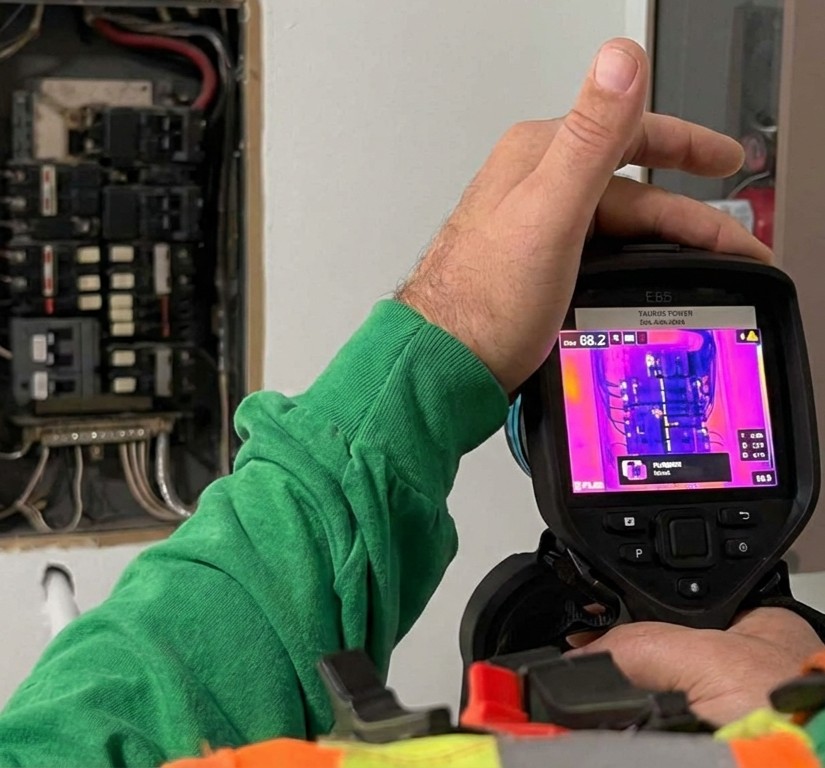
We start at your electrical panel — checking brand, age, capacity, and condition. We use thermal imaging to detect hot spots that indicate loose connections or overloaded circuits.
We test breakers, verify proper sizing, check for arc fault and GFCI protection, and ensure all circuits are correctly wired. We also verify your grounding system integrity.
We test outlets, switches, and GFCI receptacles throughout your home. We check major appliance wiring, HVAC connections, and verify smoke/CO detector placement.
We sit down with you to review our findings. You'll receive a detailed written report categorizing each item as Pass, Recommend Improvement, or Safety Concern — plus clear recommendations.
Every inspection includes a comprehensive written report with clear ratings for each item.
Component meets current electrical code standards and is functioning safely. No action required — these items are in good condition.
Not an immediate hazard, but should be addressed. May include outdated components, missing protections, or items that don't meet current code.
Immediate attention required. These are active hazards or serious code violations that pose fire or shock risk and should be corrected promptly.
We explain every finding in plain English — no confusing jargon. You'll understand exactly what needs attention and why.
Our comprehensive inspection is priced affordably because we believe every home deserves a safety evaluation. There are no hidden fees — the price covers the complete 50+ point inspection and detailed report.
*Inspection fee may be waived with approved repairs. Larger properties (4,000+ sq ft) or commercial buildings may have different pricing — call for quote.
Know exactly what condition your electrical system is in. Identify hazards before they become emergencies.
(972) 466-1917Usually completed in 60-90 minutes
We're not just electricians — we're licensed Master Electricians who understand whole-home systems.
Our inspections are performed by licensed Master Electricians, not apprentices. We catch issues others miss.
We understand how your electrical and HVAC systems interact. We verify your AC, heater, and major appliances are wired correctly.
We use thermal cameras to detect hot spots invisible to the naked eye — finding problems before they cause failures.
You get a comprehensive written report documenting every finding — useful for insurance, real estate, or future reference.
We tell you what we find and let you decide. We'll provide repair estimates, but there's never pressure to buy services you don't need.
We're your neighbors, serving DFW for over 22 years. Our reputation depends on honest, quality work.
"We had no idea our 1978 home had a Federal Pacific panel until LEX's inspection. They explained exactly why it was dangerous and gave us options. Ended up replacing the panel the next week. So glad we found out before something bad happened."— David & Karen R., Plano, TX
Licensed electrical inspections throughout the Dallas-Fort Worth metroplex.
Common questions about home electrical safety inspections.
Most residential inspections take 60-90 minutes, depending on the size of your home and complexity of the electrical system. Larger homes (4,000+ sq ft) or homes with multiple panels may take longer. We don't rush — we examine every component thoroughly.
Yes, we recommend you be present. We'll need access to your electrical panel (often in garages, closets, or utility rooms), and we'll want to show you our findings and explain the report in person. This is also a great opportunity to ask questions about your electrical system.
Standard home inspections are broad overviews — inspectors typically spend just 15-20 minutes on electrical systems and often only check visible outlets and the panel door. Our dedicated electrical inspection is a deep dive into every component: thermal imaging of connections, breaker testing, grounding verification, GFCI testing, appliance wiring checks, and more. We catch issues home inspectors miss.
Look for brand names inside your panel door: Federal Pacific (FPE), Zinsco, Sylvania, or Pushmatic are known problem panels. However, identification isn't always obvious — some panels have been relabeled or the brand may be worn off. Our inspection includes definitive panel identification and hazard assessment.
We may briefly turn off individual circuits to test breakers, but we won't leave your home without power. Most of the inspection is done with power on — that's how we detect hot spots and test GFCI function. We'll always let you know before turning anything off.
If we identify an immediate safety hazard (active arcing, severely overloaded circuits, etc.), we'll explain the situation clearly and discuss options. For serious hazards, we may recommend leaving certain circuits off until repairs are made. We'll provide repair estimates, but there's no pressure — you can use any licensed electrician for repairs.
We recommend inspections every 5-10 years for homes, or immediately if you're buying/selling, experiencing electrical issues, or haven't had one done. Homes over 40 years old or with known hazardous panels should be inspected more frequently.
Yes, our detailed written report is suitable for insurance documentation, real estate transactions, or your own records. We document findings clearly with our professional assessment of each item's condition and any recommended actions.
From inspection findings to complete electrical solutions.
Schedule your comprehensive electrical safety inspection and get peace of mind about your home's electrical system.
$89 Complete Inspection • Licensed Master Electricians • Serving DFW Since 2004
